
In short: a stage setlist helps a band perform, but a royalty-ready song list must answer harder questions: which works were actually played, who wrote them, how long they were performed, which event used them, and what evidence supports the report. A sound digital workflow connects repertoire data, actual on-stage changes, event documents, delivery to the promoter or rights organization, and later reconciliation.
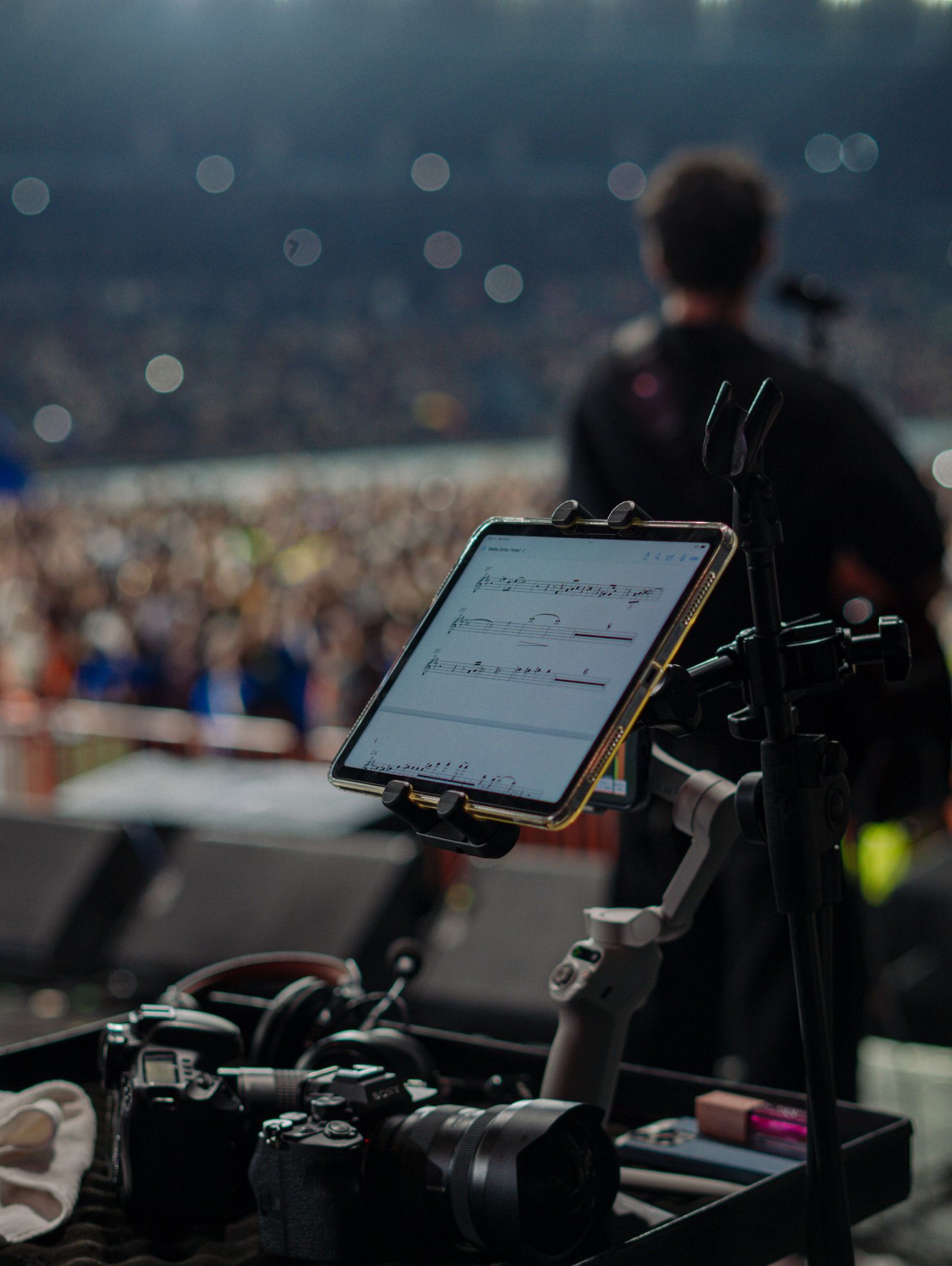
Why a setlist is music-business data in 2026
In Indonesia, the National Collective Management Organization (LMKN) explains that a song list provides evidence of the music used at a performance and supports matching against repertoire databases. Its 2026 distribution policy also distinguishes usage supported by song-level data or a log sheet from usage without that data, making information quality increasingly important.
For concerts, LMKN says the promoter or organizer is responsible for paying royalties and reporting event data, including the song list, through the INSPIRATION system. According to LMKN guidance dated July 14, 2026, the data must be submitted no later than seven days after the concert. Musicians are not charged with paying the concert royalty, but the artist team still benefits from keeping accurate data and ensuring the promoter receives the actual performed version.
The same principle appears internationally. PRS for Music asks members to report setlists so performed songs can be matched with registered works, while SOCAN lists setlists and event evidence among the requirements for certain performance notifications. Eligibility, deadlines, and procedures vary by country and collective management organization, so an internal workflow should preserve the core data without assuming that one form works everywhere.
Separate three documents that teams often mix together
1. The artistic setlist
This is the running order used by performers, the musical director, stage crew, lighting, and playback operators. It may use internal shorthand such as “Intro,” “Medley A,” or “Encore 2.” It optimizes the show, not rights matching.
2. The music-usage song list
This records the works actually performed. Titles should be canonical, medleys should be split into their component works, covers should remain included, and spontaneous changes should be captured. This is the document that can help a promoter or rights organization match usage to repertoire.
3. The event evidence pack
This connects the song list to a real event: date, venue, city and country, promoter, headline or support status, contract, poster, ticket, schedule, settlement, and other relevant evidence. It does not replace an official submission, but it makes correction and investigation much faster.
Build a repertoire master before the tour begins
Do not retype work identities after every concert. Create one repertoire master owned by a named data steward and reviewed by the relevant songwriters, publisher, or rights administrator.
- Internal work ID: a stable code that survives title corrections.
- Canonical and alternate titles: including earlier spellings, translated titles, and stage shorthand.
- Writers: use legal or registered names, not only the artist name.
- IPI/CAE and ISWC: add them when assigned; never invent or guess identifiers.
- Work status: original, collaboration, cover, medley, or administratively incomplete.
- Reference duration: the typical live duration, with actual duration added when required.
- Society or administrator: the CMO, publisher, and contact handling the work.
- Verification status: registered and matched, needs correction, or awaiting confirmation.
An ISRC identifies a recording, not the underlying composition. A live-performance song list primarily needs to identify the work being performed. Keep an ISRC as a reference when a specific recording version matters, but do not use it as a substitute for the work title, writers, IPI, or ISWC.
The workflow from pre-show planning to reconciliation
Stage 1 — Build the set from verified data
The musical director selects songs from the repertoire master instead of copying free text from chat. The system produces two views: a compact stage setlist and a draft song list with complete work identities. Every row carries the internal work ID so title changes do not break its history.
Stage 2 — Create one record for every performance
Before travel, create a show record with the event ID, date, time zone, venue, city, country, promoter, production contact, event type, known licensing status, and reporting deadline. Do not merge several tour dates into one record; actual songs and supporting evidence may differ.
Stage 3 — Capture what actually happened
Assign one person—the tour manager, stage manager, or a band member—to close the set after the show. They mark skipped songs, additions, reprises, changed medleys, guest appearances, and materially different durations. A setlist photo can support the record, but the changes should enter structured data.
Stage 4 — Lock the post-show pack
Within 24 hours, change the record to performed, attach evidence, and generate the final song list. Send the same version to the responsible reporting party. For Indonesian concerts, coordinate with the promoter so the data reaches the official channel and the seven-day deadline described by LMKN is not missed. Store the delivery date, recipient, file version, and acknowledgement.
Stage 5 — Reconcile instead of merely archiving
Monthly or quarterly, compare the performance calendar with finalized records, delivery evidence, acceptance status, and available royalty statements. Build an exception queue for shows without song lists, unmatched works, incomplete writer identities, or payments that need to be raised with the rights administrator.
A status model that makes follow-up visible
- Planned: the event and initial set exist.
- Performed: the show is complete, but actual changes still need verification.
- Verified: the final song list and evidence pack are complete.
- Sent: delivered to the promoter, CMO, publisher, or appropriate administrator.
- Accepted: acknowledgement or a reference number is recorded.
- Exception: a work, document, or event field needs correction.
- Reconciled: usage has been checked against an available statement or confirmation.
Status should describe reality, not merely change a color. Important transitions should retain the time, actor, and note so the team does not have to guess which version is current.
The cases that most often damage accuracy
Covers
Record the work performed and the correct writers. Composition performance royalties do not automatically belong to the performer merely because they sang the song. Do not remove covers from the song list.
Medleys
Split a medley into each component work and keep an estimated duration for each when the reporting process asks for it. “Nineties Medley” may be clear to the crew but is not enough for repertoire matching.
Unfinalized or unregistered titles
Use a temporary internal ID and flag the item as an exception. When registration is complete, connect the official identity to the earlier show records instead of creating a new row that breaks the usage history.
Improvisations, quotations, and samples
Record what happened and escalate to the rights administrator when the use is material or unclear. An operations workflow should not decide by itself whether a use needs permission or how ownership should be allocated.
Guest performers
A guest name does not replace the work identity. Record who performed, what work they played, and who wrote it as separate data.
Safe automation for music teams
Automation is most valuable when it prevents omissions rather than filing unreviewed claims. A system can create records from the tour calendar, pull works from the repertoire master, remind the task owner after a show, flag missing fields, detect duplicate events, generate PDF or CSV exports, and show a deadline dashboard.
Avoid automatic submission when a cover remains unidentified, a medley has not been split, a set change is unconfirmed, or the destination account is uncertain. Every CMO has its own rules; keep a final human review before filing.
A 30-day implementation plan
- Week 1: audit the previous six to twelve months of shows and gather every setlist version.
- Week 2: clean the repertoire master, assign internal IDs, and flag works requiring confirmation.
- Week 3: build the show record template, evidence folder, statuses, roles, and post-show reminders.
- Week 4: test the workflow on one performance, measure the closeout time, and simplify confusing fields.
A healthy first KPI is not “royalties increased by a certain percentage,” because value depends on licensing, distribution rules, territory, and many other factors. Measure what the team controls: the percentage of shows with a verified song list, time from performance to final data, number of unidentified works, on-time delivery rate, and exceptions resolved.
FAQ
Do musicians pay concert royalties in Indonesia?
According to LMKN's official July 2026 explanation, the promoter or organizer, as the commercial user, carries the concert payment obligation—not the singer or musician performing. The artist team should still coordinate accurate song data.
Is the paper setlist on the stage enough?
No. It is useful as initial evidence, but it often contains shorthand, omits writers, and misses changes. Convert it into a structured song list representing the actual performance.
Will every reported show generate payment?
No. Eligibility depends on event licensing, membership, work registration, distribution rules, territory, evidence, and the relevant organization's deadline. This workflow improves data readiness; it does not guarantee an amount or payment date.
Who should own the workflow?
One person should own operations, while songwriters, publishers, or rights administrators verify works; the touring team confirms actual changes; and Indonesian delivery should be coordinated with the promoter.
How long should event evidence be retained?
Follow the relevant rights organization's policy and contractual obligations. Operationally, do not delete proof immediately after filing; retain it with data versions and reference numbers so later reconciliation remains possible.
Conclusion: do not let a song finish on stage and disappear in the data
An effective digital setlist is not merely a song-list app. It is a workflow connecting registered works, the actual performance, event evidence, accountable owners, deadlines, and reconciliation. When every show has a complete record, music teams can work faster with promoters and rights administrators while reducing unmatched usage.
Wirasena Digital helps musicians, bands, labels, promoters, and touring teams design operations portals, repertoire databases, dashboards, reminders, and integrations that match how they work. If your show calendar is growing faster than its administration, let us build a system that gives every performance a clean data trail.
Official sources and further reading
- LMKN: why concerts need a song list
- LMKN: concert royalty flow and INSPIRATION reporting
- LMKN: the 2026 data-based royalty distribution policy
- Peraturan.go.id: Minister of Law Regulation No. 27 of 2025
- PRS for Music: reporting live performances
- SOCAN: setlists and evidence for live performance reporting
START A PROJECT
Have a project in mind? Let's talk.
We help teams ship clarity-first websites, e-commerce, and automations.
Contact Wirasena