Website Measurement Plans: Turning Visitor Data into Business Decisions
Analytics becomes useful only when a business knows what to measure. Learn how to connect business goals, user behavior, events, KPIs, and next actions through a practical website measurement plan.
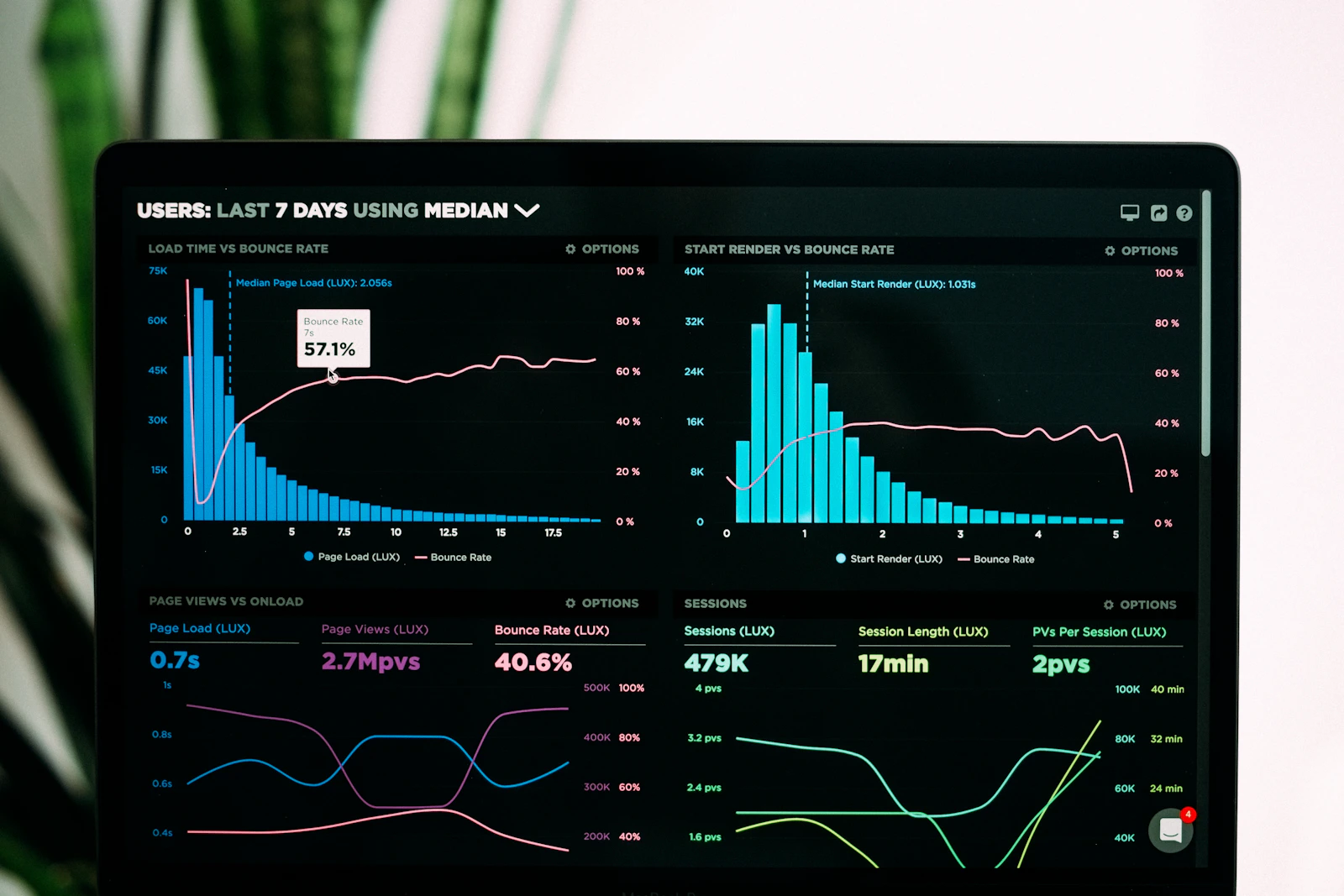
Many websites already have analytics installed, yet business owners still struggle to answer basic questions: which pages generate qualified leads, which campaigns attract valuable customers, and where visitors abandon the journey?
The problem is usually not a lack of data. It is the absence of a measurement plan that connects business goals, user actions, metrics, and decisions.
What Is a Website Measurement Plan?
A measurement plan is a working document that defines what should be measured on a website and why each signal matters. It bridges business strategy and analytics implementation.
Instead of collecting every possible number, it prioritizes data that supports action. For a service website, pageviews matter less than qualified inquiries, their acquisition sources, and the percentage of visitors who complete a form.
Start with Business Goals, Not Tools
A common mistake is starting with a technical question such as “Should we use GA4 or another platform?” Tools only record activity. The first step is defining the business outcome.
Examples of business goals
- Increase relevant consultation requests.
- Grow sales of higher-margin products.
- Reduce repetitive customer service questions.
- Increase repeat purchases.
Once the goal is clear, identify the user behaviors that show progress toward it.
Map the User Journey and Key Events
Visitors rarely buy immediately. They may read an article, explore a service, review case studies, compare packages, and contact the company days later.
That is why tracking should cover more than the final transaction. Events can be grouped into three layers.
1. Awareness events
- Reading 75 percent of an article.
- Entering a service page from search.
- Watching an explainer video.
2. Consideration events
- Opening a pricing page.
- Viewing a case study.
- Downloading a company profile.
- Expanding FAQs or service comparisons.
3. Conversion events
- Submitting a form.
- Clicking WhatsApp from a specific service page.
- Booking a consultation.
- Completing checkout or payment.
Choose Actionable KPIs
A useful KPI should help a team decide what to do next. “Traffic grew by 20 percent” may be meaningless if the additional visitors never become customers.
Sharper KPIs include:
- Conversion rate by service page.
- Cost per qualified lead by channel.
- Pricing-page-to-contact rate.
- Form completion rate.
- Revenue per landing page.
- Percentage of website inquiries becoming CRM opportunities.
These metrics reveal whether the real issue is traffic quality, messaging, usability, lead quality, or follow-up.
Use Context, Not Isolated Numbers
A single number rarely tells the full story. A low conversion rate may result from irrelevant traffic, slow performance, unclear offers, long forms, or a CTA that does not match the visitor’s stage.
Healthy analysis compares data by source, device, location, landing page, service type, and campaign period. This prevents major decisions based on averages that hide important differences.
Connect the Website to CRM
Analytics often stops at form submission, while business value becomes visible only after the lead is processed. Website events should therefore connect with CRM data.
At minimum, capture source, campaign, landing page, service interest, and conversion time inside the lead record. This helps distinguish channels that generate many inquiries from those that generate actual customers.
Create a Consistent Review Rhythm
A measurement plan does not end when tracking is implemented. Establish a weekly or monthly review using consistent questions:
- What changed?
- Why might it have changed?
- Which segment was affected?
- What experiment should we run?
- Which metric will define success?
This turns a dashboard from decoration into a business learning system.
FAQ
Do small businesses need a measurement plan?
Yes. Smaller businesses especially need focus so limited time and budget are not spent on metrics that do not influence decisions.
Should every click be tracked?
No. Track interactions with a clear relationship to the customer journey or a business decision.
How often should the plan be updated?
Review it when goals, services, funnels, campaigns, or website structure change. A formal review every three to six months is enough for many businesses.
Conclusion
A measurable website is not the one with the busiest dashboard. It is the one that explains how visitors move, what supports conversion, and what the business should do next.
Wirasena Digital helps businesses design websites, analytics, CRM integrations, and reporting systems built around better decisions. Contact us to develop a measurement plan aligned with your business model and sales process.